# Who Can Benefit from Laser Eye Surgery in Lahore for Clear Vision 2027
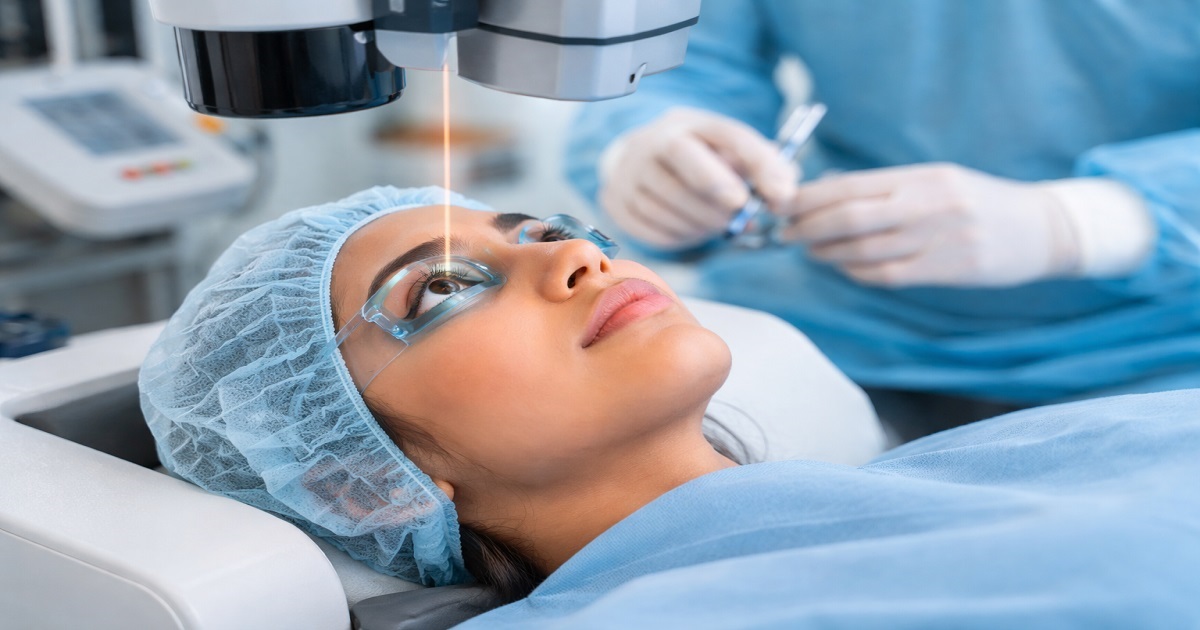
Clear vision can make everyday activities easier, from working on a computer and driving to reading and enjoying outdoor activities.Laser Eye Surgery in Lahore has become an option for eligible adults who want to reduce their dependence on glasses or contact lenses. Modern vision correction procedures are designed to reshape the cornea and improve how light focuses on the retina, but suitability depends on individual eye health and a professional assessment.
For people considering ***[Laser Eye Surgery in Lahore](https://www.zafarlasereyeclinic.com/services/blepharitis/)***, understanding who may benefit from treatment is an important first step. Laser vision correction is not automatically suitable for everyone with a glasses prescription. Age, prescription stability, corneal thickness, tear-film health, existing eye conditions, and general health can all influence whether a patient is considered an appropriate candidate.
## Understanding Laser Eye Surgery
Laser eye surgery refers to a group of procedures used to correct certain refractive errors. Depending on the patient's eyes and clinical requirements, an eye specialist may discuss procedures such as LASIK, PRK, or other forms of laser vision correction.
These procedures work by changing the shape of the cornea so that incoming light can focus more accurately on the retina. The objective is to improve uncorrected vision and potentially reduce dependence on spectacles or contact lenses.
Although laser procedures are commonly associated with LASIK, not every patient receives the same treatment. A specialist needs to evaluate the structure and health of the eyes before recommending a particular technique.
## Who May Benefit from Laser Vision Correction?
Adults who have common refractive errors may potentially benefit from laser eye surgery. Myopia, commonly known as short-sightedness, can make distant objects appear blurry. Hyperopia can affect near vision and sometimes distance vision, while astigmatism can cause blurred or distorted vision at different distances.
People who have stable prescriptions and healthy eyes may be considered for laser vision correction after a detailed examination. Patients who regularly depend on glasses or contact lenses may explore the procedure if they want greater freedom during work, exercise, travel, or other daily activities.
However, having a refractive error alone does not guarantee suitability. The final decision should be based on a comprehensive eye evaluation.
## People Tired of Depending on Glasses
Glasses are a safe and effective method of correcting refractive errors, but some people find them inconvenient in particular situations. Frames may become uncomfortable during physical activities, fog up in certain environments, or require frequent cleaning.
Some individuals simply prefer to experience daily activities without relying on spectacles. Laser vision correction can be considered by eligible patients who want to reduce their dependence on corrective lenses.
The aim should not be to avoid glasses at all costs. Instead, patients should discuss their visual goals with an eye specialist and determine whether laser treatment is medically appropriate.
## Contact Lens Users Considering Another Option
Contact lenses can provide clear vision without glasses, but they require regular cleaning, proper storage, and careful handling. Improper contact lens hygiene can increase the risk of eye irritation and infection.
People who experience discomfort from contact lenses or find their maintenance inconvenient may consider laser vision correction. A specialist can determine whether their corneas and overall eye health are suitable for the procedure.
Patients should also understand that laser surgery does not necessarily guarantee perfect vision for life. Age-related changes, such as presbyopia, can still affect near vision later in life.
## The Importance of a Stable Prescription
Prescription stability is an important consideration when evaluating a potential laser surgery candidate. If a person's glasses or contact lens prescription is changing significantly, the eyes may not yet be suitable for permanent refractive correction.
A stable prescription gives the surgeon a clearer understanding of the patient's refractive condition. During the consultation, previous prescriptions may be reviewed to determine whether vision has remained reasonably consistent.
Patients should therefore avoid assuming that surgery is immediately appropriate simply because they have reached a particular age. Individual eye development and prescription stability matter.
## Healthy Corneas and Adequate Eye Structure
The cornea plays a central role in laser vision correction because the procedure changes its shape. For this reason, corneal health and structure are carefully evaluated before surgery.
Specialized measurements can provide information about corneal thickness, shape, and other characteristics. These assessments help the surgeon determine whether sufficient corneal tissue is available and whether a particular procedure may be appropriate.
Certain corneal conditions can make laser surgery unsuitable or require an alternative approach. This is why a thorough preoperative evaluation is essential rather than relying only on a glasses prescription.
## Patients with Myopia
Myopia is one of the common refractive errors treated with laser vision correction. People with myopia can usually see nearby objects more clearly than distant ones, although the degree of blur varies from person to person.
Eligible adults with stable myopia may discuss laser treatment with an ophthalmologist. The severity of the prescription and the condition of the cornea are among the factors that may influence treatment planning.
A detailed examination helps determine whether the patient's particular level of myopia falls within the appropriate treatment range for the procedure being considered.
## Patients with Astigmatism
Astigmatism occurs when the cornea or lens has an irregular curvature, which can result in blurred or distorted vision. Some people experience astigmatism together with myopia or hyperopia.
Certain laser vision correction procedures can address appropriate forms of astigmatism. However, the type and degree of astigmatism must be evaluated before treatment.
Patients should receive individualized measurements rather than assuming that every form of astigmatism can be corrected through the same procedure.
## Patients with Hyperopia
Hyperopia, or farsightedness, can affect how clearly a person sees nearby objects and may sometimes affect distance vision. The symptoms can vary depending on age and the degree of refractive error.
Some patients with suitable hyperopia may be candidates for laser vision correction. However, treatment eligibility depends on several factors, including corneal characteristics and the stability of the prescription.
A specialist consultation can help determine whether laser surgery is an appropriate option or whether glasses, contact lenses, or another approach would provide more suitable correction.
## Age and Laser Eye Surgery
Age is another factor considered during a laser vision assessment. Many laser vision correction procedures are performed on adults, but the exact suitability requirements can vary depending on the procedure and individual circumstances.
Younger adults may need to demonstrate that their prescription has remained stable. Older adults may have additional considerations because natural changes in the eye can affect vision independently of refractive errors.
For example, presbyopia commonly develops with age and makes it harder to focus on nearby objects. Laser correction of distance vision does not necessarily prevent age-related near-vision changes.
## People with Active Eye Problems
Patients with active eye infections, significant inflammation, uncontrolled dry eye, or certain corneal disorders may need treatment or stabilization before considering laser surgery.
The purpose of preoperative screening is to identify conditions that could affect safety, healing, or visual outcomes. Treating an existing eye problem first may sometimes improve the patient's suitability for future refractive surgery.
This is one reason why an honest medical history is important during the consultation. Patients should tell the specialist about previous eye problems, surgeries, medications, and contact lens use.
## The Role of Dry Eye Assessment
Healthy tear production and a stable tear film are important for comfortable vision. Some people already experience dry eye symptoms, including burning, irritation, fluctuating vision, or a sensation of something being in the eye.
Because laser procedures can temporarily affect the surface of the eye, dry eye status is considered during the preoperative assessment. If significant dryness is present, the specialist may recommend managing it before considering surgery.
A proper evaluation can help distinguish temporary discomfort from an underlying condition that requires treatment.
## People with Active Lifestyles
Some eligible patients explore laser vision correction because their lifestyle makes glasses or contact lenses inconvenient. Athletes, travelers, outdoor workers, and people who frequently participate in physical activities may appreciate reduced dependence on corrective lenses.
Patients involved in contact sports should also discuss eye protection and postoperative activity restrictions with their surgeon. Appropriate precautions remain important even after successful vision correction.
## What Happens During the Evaluation?
A laser eye surgery consultation generally begins with a detailed discussion of the patient's vision and medical history. The eye specialist may review the current prescription and ask about previous changes in vision.
Based on the results, the surgeon can explain whether laser vision correction is appropriate and which procedure may best match the patient's circumstances. Patients should have an opportunity to ask questions about benefits, limitations, potential complications, recovery, and alternatives.
## Understanding Expectations Before Surgery
Having realistic expectations is an important part of preparing for laser vision correction. The goal is generally to reduce dependence on corrective lenses, but individual results can vary.
The most important step is a comprehensive evaluation by a qualified eye specialist. Corneal health, tear-film stability, age, prescription history, overall eye health, and individual expectations all need to be considered before treatment. By understanding the process and receiving personalized **[professional](https://hack.utopia-lab.org/)** guidance, patients can make informed decisions about whether laser vision correction is suitable for their vision goals in 2027.
## FAQs
### Is laser eye surgery suitable for everyone?
No. Suitability depends on prescription stability, corneal health, age, tear-film condition, and overall eye health.
### Can LASIK correct astigmatism?
Certain forms of astigmatism can be treated with laser vision correction when the patient meets the necessary clinical requirements.
### Can older adults have laser eye surgery?
Age alone does not determine suitability, but age-related changes such as presbyopia may affect treatment considerations.
### Will I never need glasses after laser surgery?
Laser surgery can reduce dependence on glasses, but some patients may still need them for certain activities or age-related near vision.
### How is laser eye surgery suitability determined?
A comprehensive eye examination and specialized measurements help the surgeon determine whether laser vision correction is appropriate.